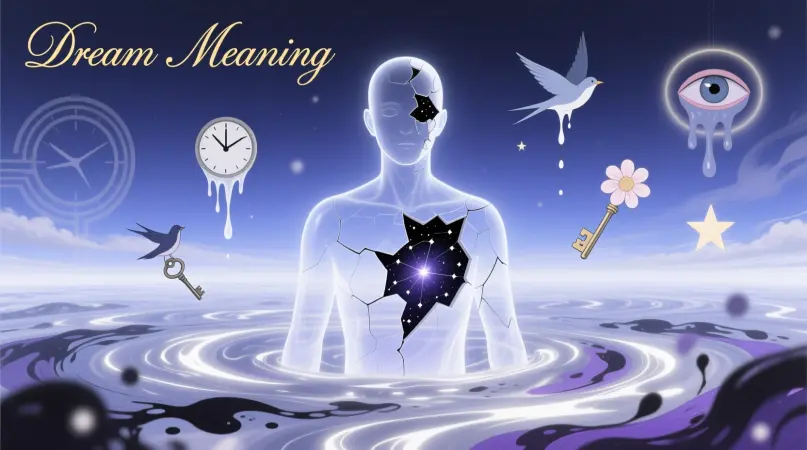
Have you ever woken up from a dream and felt this strange mix of curiosity and confusion, like your mind was trying to tell you something important? Well, I’ve been there too.
Just the other night, I had this vivid dream that left me restless, replaying every detail in my head. At first, I shrugged it off, thinking it was just my imagination running wild.
That’s when I decided to dig deeper into dream meaning. I wanted to understand why certain images appeared, why some dreams made me anxious while others made me feel hopeful, and most importantly, how I could interpret them in a way that made sense in my daily life.
What Does Seeing This Dream Symbolize?

Dreams often work like mirrors of the inner world. They reflect thoughts, emotions, memories, and experiences that may not be fully processed during waking life. Seeing a dream usually symbolizes something meaningful that your mind is trying to express in a symbolic language rather than direct words.
In many cases, dreams symbolize:
- Emotional needs that are not being openly expressed
- Unresolved situations from daily life
- Hopes, fears, or expectations about the future
- Inner conflicts between desire and responsibility
A dream may highlight something important you are ignoring or something you deeply care about. The symbols within it people, places, actions, or emotions are rarely random. They often represent aspects of your life, personality, or current situation.
Rather than predicting events literally, dreams usually point toward emotional truths. Understanding them can help you recognize what your heart and mind are asking for attention.
Spiritual Symbolism Behind This Dream

From a spiritual perspective, dreams are often seen as messages from the soul. They can act as gentle guidance, warnings, or reminders to reconnect with your inner self. Many spiritual traditions believe that dreams open a doorway between the conscious mind and higher awareness.
Spiritually, a dream may symbolize:
- A call for self-reflection and inner growth
- Guidance during a confusing phase of life
- Emotional or spiritual healing
- A reminder to trust intuition
Sometimes dreams appear when a person feels disconnected, overwhelmed, or uncertain. The symbols act as signs meant to guide rather than frighten. Even disturbing dreams may serve a positive spiritual purpose by pushing you toward change, awareness, or emotional release.
Listening to the emotions felt during the dream is often more important than the images themselves. Peace, fear, joy, or sadness all carry spiritual meaning.
Islamic Interpretation of This Dream
In Islam, dreams hold a meaningful place and are generally divided into three categories. According to Islamic teachings and scholars:
- True dreams (Ru’ya) – These come from Allah and often carry clear, comforting, or guiding messages.
- Disturbing dreams – These come from Shaytan and may cause fear or confusion.
- Everyday dreams – These reflect daily thoughts, worries, and experiences.
A good or meaningful dream is considered a blessing. It may offer guidance, reassurance, or insight into a person’s spiritual state. Such dreams are usually clear, calm, and emotionally balanced.
If a dream feels disturbing, Islamic teachings advise seeking refuge in Allah, avoiding sharing it widely, and not letting fear control the heart. The Prophet Muhammad (peace be upon him) encouraged believers to focus on good dreams and interpret them positively.
Overall, dreams in Islam are not meant to replace faith, prayer, or action. Instead, they serve as gentle signs that encourage self-correction, gratitude, patience, and trust in Allah’s wisdom.
Biblical and Christian Perspective
In Christianity, dreams are often viewed as tools through which God may communicate with individuals. The Bible contains many examples where dreams carried divine messages, warnings, or encouragement, such as the dreams of Joseph, Daniel, and others.
From a Christian perspective, dreams may symbolize:
- Spiritual guidance or confirmation
- A call to faith, obedience, or repentance
- Inner struggles between fear and trust
- God’s reassurance during difficult times
Not all dreams are considered divine, but meaningful dreams often leave a strong emotional impact. Christians are encouraged to pray for understanding, seek wisdom, and compare dream messages with biblical teachings.
A dream that inspires peace, humility, love, or moral clarity is often viewed as spiritually uplifting. Fearful dreams, on the other hand, may encourage a person to turn to prayer and faith for comfort.
Psychological Interpretation of This Dream
Psychologically, dreams are a product of the subconscious mind. They form when thoughts, emotions, memories, and stress combine during sleep. Many psychologists believe dreams help the brain process emotions and experiences.
From this viewpoint, dreams may reflect:
- Hidden fears or anxieties
- Suppressed emotions
- Unfulfilled desires
- Stress or mental exhaustion
Recurring dreams often point to unresolved issues. For example, stress-related dreams may appear during periods of pressure, while emotional dreams may arise after relationship conflicts or major life changes.
The mind uses symbols because emotions are complex. A single image may represent an entire emotional experience. Understanding these symbols can lead to emotional awareness and healing.
Common Dream Scenarios and Their Meanings
Dreams appear in countless forms, but some patterns are very common. Here are a few general scenarios and what they often represent:
- Peaceful dreams: Emotional balance, acceptance, or spiritual comfort
- Fearful dreams: Anxiety, insecurity, or unresolved worries
- Confusing dreams: Mental overload or uncertainty in life decisions
- Recurring dreams: Unfinished emotional business or persistent stress
- Symbolic dreams: Inner messages expressed through metaphor
The meaning always depends on personal context. Two people can see similar dreams but experience completely different meanings based on their life situations and emotions.
Is This Dream a Positive or Negative Sign?
Dreams are rarely entirely positive or negative. Most carry mixed meanings depending on interpretation and emotional response.
Positive signs may include:
- Emotional release and healing
- Inner guidance and clarity
- Spiritual reassurance
- Motivation for personal growth
Negative signs may include:
- Stress overload
- Fear of change
- Suppressed emotions
- Warning signs to slow down or reflect
Even unsettling dreams can have positive outcomes if they push you toward awareness, change, or emotional honesty. The key lies in understanding rather than fearing them.
What Should You Do After Seeing This Dream?
After experiencing a meaningful dream, it helps to pause and reflect rather than panic. Consider the following steps:
- Reflect on how the dream made you feel
- Connect the emotions to your current life situation
- Avoid literal interpretations
- Pray or meditate for clarity
- Write the dream down to recognize patterns
If the dream felt positive, take it as reassurance. If it felt disturbing, treat it as a reminder to care for your emotional or spiritual well-being.
Dreams are not meant to control life decisions but to offer insight. Balance interpretation with logic, faith, and self-awareness.
Conclusion
Dreams speak in the language of symbols, emotions, and inner truths. They remind us to slow down, listen to our hearts, and reconnect with what truly matters.
Whether comforting or confusing, every dream carries an opportunity for understanding, healing, and growth.