
Introduction
I still remember the first time I woke up confused, wondering what had just happened and why my body reacted that way while I was asleep. At that moment, I felt embarrassed and had so many questions, but no clear answers.
Instead of ignoring it, I decided to understand the wet dream meaning properly and learned that it’s far more normal than most people think.
As I read more and spoke openly about it, my fear slowly turned into clarity and confidence.
What Does Seeing This Dream Symbolize?

On a symbolic level, this dream is not just about physical activity it often represents released energy, hidden desires, or emotional expression. Dreams use imagery to communicate what words cannot, and this type of dream is no different.
Common symbolic meanings include:
- Unexpressed emotions that need release
- Natural instincts seeking balance
- Suppressed desires coming to the surface
- Emotional or mental tension being released during sleep
For many people, this dream appears during moments of transition such as growing up, entering a new phase in life, or dealing with internal conflict. It does not necessarily mean you want something inappropriate or forbidden. Often, it simply reflects the body and mind working together to restore balance.
Symbolically, it can also represent creativity, life force, or emotional awakening. Just as dreams of water often symbolize emotions, this dream may symbolize emotional overflow or a release of built-up feelings.
Spiritual Symbolism Behind This Dream
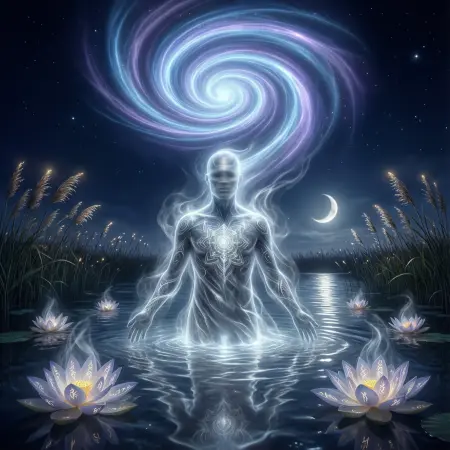
From a spiritual perspective, this dream is often viewed as a sign of inner cleansing or release. Spiritual traditions frequently see dreams as messages from the soul, helping a person understand what is happening internally.
Spiritually, this dream may suggest:
- A need to release guilt, shame, or emotional pressure
- Inner energy seeking expression
- A reminder to maintain balance between body, mind, and soul
- Awareness of desires that should be guided, not suppressed harshly
Rather than being a negative sign, many spiritual interpretations view it as neutral or even necessary. The human soul and body are connected, and dreams sometimes express what waking life does not allow.
Spiritually mature interpretations emphasize compassion toward oneself. The dream may be a reminder to practice self-control, mindfulness, and emotional awareness without self-judgment.
Islamic Interpretation of This Dream
In Islamic teachings, this type of dream is considered natural and not sinful. Islamic scholars clearly explain that actions done during sleep are not held accountable, as intention and consciousness are absent.
According to Islamic understanding:
- Such dreams are involuntary
- There is no sin associated with them
- They are a normal biological occurrence
Islam distinguishes between dreams from Allah, dreams from the self (nafs), and disturbing dreams from Shaytan. Dreams involving physical release are generally considered dreams from the self, reflecting natural human needs.
Islamic guidance focuses on cleanliness and spiritual practice afterward:
- Performing ghusl (ritual purification) before prayer is required
- There is no need for guilt or shame
- One should not discuss such dreams openly without reason
Islam emphasizes mercy, balance, and human nature. These dreams are not signs of spiritual weakness but part of being human.
Biblical and Christian Perspective
From a Christian viewpoint, dreams are often seen as reflections of the heart, mind, or spiritual struggles. The Bible does not specifically mention this type of dream, but Christian teachings emphasize intentions over involuntary actions.
Christian interpretations generally focus on:
- Human nature and temptation
- The importance of purity in waking life
- God’s grace and forgiveness
Since the dream happens without conscious choice, it is not considered sinful in itself. Many Christian scholars encourage believers to reflect on their thoughts and behaviors while awake rather than blaming themselves for unconscious experiences.
In Christianity, such dreams may serve as reminders to:
- Strengthen self-discipline
- Seek spiritual guidance through prayer
- Maintain emotional and mental balance
Grace and understanding are central themes, not fear or shame.
Psychological Interpretation of This Dream
Psychologically, this dream is strongly linked to the subconscious mind. It often occurs when the brain processes emotions, desires, or stress during sleep.
Psychological reasons may include:
- Hormonal changes
- Sexual maturity or development
- Stress or emotional pressure
- Suppressed thoughts or curiosity
- Natural bodily functions during REM sleep
Modern psychology sees this dream as normal and healthy, especially during adolescence or periods of emotional change. It does not automatically indicate obsession or unmet needs it can simply be the brain doing its job.
In adults, it may appear during times of:
- Emotional deprivation
- Long-term stress
- Major life changes
- Reduced emotional intimacy
The key psychological message is balance not suppression or overindulgence.
Common Dream Scenarios and Their Meanings
Different variations of this dream can carry slightly different meanings depending on emotions and context.
Seeing It Without Any Dream Imagery
This often reflects a purely physical response during sleep and usually has no deep emotional or symbolic meaning.
Feeling Guilty After Waking Up
This may indicate internal conflict, strict self-judgment, or unresolved beliefs about desire and morality.
Repeated Occurrence
Recurring experiences may suggest emotional stress, hormonal changes, or unexpressed feelings needing attention.
Feeling Relieved or Calm
This often represents emotional release and mental relaxation rather than anything negative.
Feeling Fear or Shame
This may reflect cultural conditioning or misunderstanding rather than the dream itself being harmful.
Context and emotional reaction matter more than the dream itself.
Is This Dream a Positive or Negative Sign?
This dream is neither purely positive nor negative. Its meaning depends on the dreamer’s emotional state, beliefs, and life situation.
Positive Interpretations
- Natural emotional release
- Stress reduction
- Psychological balance
- Physical health and development
Negative Interpretations (Only in Certain Contexts)
- Emotional suppression
- Inner guilt or fear
- Mental stress
- Lack of emotional outlets
The dream itself is neutral. The response to it determines whether it becomes a source of peace or anxiety.
What Should You Do After Seeing This Dream?
The most important thing is not to panic. This experience is far more common than people realize.
Helpful steps include:
- Stay calm and avoid self-blame
- Focus on cleanliness and self-care
- Reflect on emotional or mental stress in your life
- Strengthen spiritual practices if they bring peace
- Maintain healthy sleep habits
Emotionally, remind yourself that this does not define your character or morality. Dreams do not represent conscious choices.
If the dream causes distress or happens very frequently, gentle self-reflection or talking to a trusted professional can help.
Conclusion
This dream is a natural part of human experience one that blends physical processes, emotional release, and subconscious activity.
It does not mean something is wrong with you, your faith, or your character. Instead, it often reflects balance, growth, or temporary emotional pressure.
Understanding it calmly removes fear and replaces confusion with clarity. Whether viewed spiritually, psychologically, or religiously, the message remains the same: be gentle with yourself.